
The quest for a fulfilling life leads us to ask what longevity truly is and how we can achieve it without relying on miracle cures. In this guide, we will explore the pillars that allow us not only to add years to the calendar but to infuse each of those years with enviable vitality.
Understanding longevity requires looking beyond genetics to embrace a holistic approach where mind and body work in harmony. Join us on this journey through cutting-edge science and ancient habits that are redefining what it means to age in the 21st century.
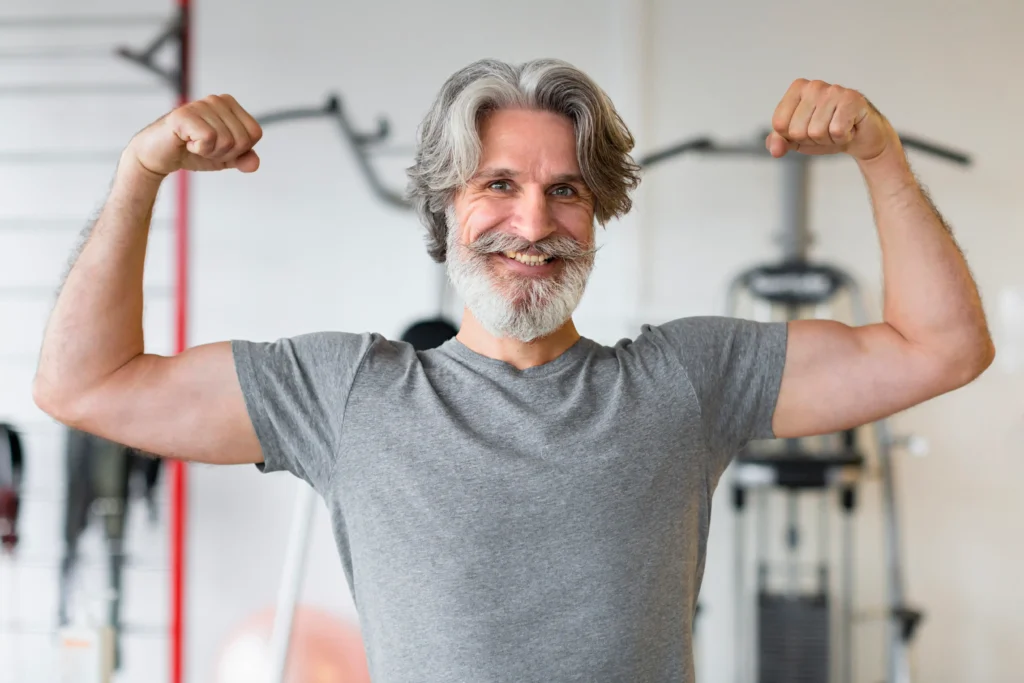
The Modern Longevity Manifesto: More Than Surviving Thriving
Longevity is often confused with the simple accumulation of birthdays. However, in today’s scientific circles, the focus has shifted drastically. We no longer speak only of Lifespan (how long an organism lives), but of Healthspan (how many of those years are lived in optimal health). There is a phrase that resonates strongly in psychology clinics and preventive medicine: many people die at forty, but they aren’t buried until eighty. This refers to that loss of spark, purpose, and energy that we sometimes accept as “normal” in midlife.
Modern longevity is a conscious decision. It’s about designing an environment that tells our cells the world is still a safe and exciting place to keep functioning. When we talk about “Longevity Health,” we refer to the ability to maintain cognitive and physical autonomy until our very last breath. This isn’t a utopian dream; it’s a reality already being experienced by thousands in the so-called Blue Zones, and science is beginning to decode it for the rest of us. This human flourishing requires understanding that aging is not a linear process of decline, but a malleable phenomenon that responds to our biological signals.
Genetics vs. Epigenetics: The Software of Youth
For decades, we were taught that our destiny was written in our DNA. If your grandparents died young, you would too. Today, we know this is only a half-truth. Genetics is the hardware the base structure but epigenetics is the software that decides which programs run and which are sent to the recycle bin.
The DNA Myth and the Power of Gene Expression
Twin studies have revealed that genetics only accounts for about 25% of our lifespan. The remaining 75% is in your hands. Imagine your genes are like a piano; the keys are there, but the melody that plays depends entirely on who plays them and how. Your daily eating habits, your thoughts, and even the quality of your sleep act as the pianist. You have the power to “silence” genes related to inflammation and “activate” genes for survival and repair.
This discovery is profoundly liberating. It means our daily decisions are, in essence, biological instructions. By choosing a walk over the couch, or a handful of walnuts over a processed dessert, we are rewriting our cellular history in real-time. Epigenetics teaches us that we are not victims of our inheritance, but architects of our biology.
Zombie Cells and the Process of Senescence
One of the most significant recent discoveries in the biology of aging is the existence of senescent cells, affectionately called “zombie cells.” These are cells that have stopped dividing but refuse to die. Instead of disappearing, they linger in the tissue, emitting inflammatory signals that damage healthy neighboring cells, accelerating the wear and tear of organs like the heart and kidneys.
True longevity involves helping the body clear out these residues. This process is known as “senolysis.” While there is research into senolytic drugs, what’s truly fascinating is how certain natural compounds like quercetin found in onions and apples, or fisetin in strawberries seem to help the immune system identify and eliminate these harmful cells. Stimulating this cleanup is like removing rust from an iron structure before the corrosion becomes irreversible.
The Paradox of Current Life Expectancy
We live in a strange era. We have the highest life expectancy in human history thanks to antibiotics and surgery, yet we also suffer from an epidemic of chronic degenerative diseases. We live longer than our grandparents, but we spend the last fifteen years of life visiting hospitals. The challenge for the contemporary human is to close that gap: ensuring our life expectancy and our healthspan coincide as much as possible. We want to die young as late as possible.
The Vitality Triangle: Nutrition, Hormesis, and Autophagy
If the body were a machine, nutrition would be the fuel, but hormesis would be the engine maintenance. To understand how to live longer, we must step away from the idea of absolute comfort. Excess comfort constant temperatures, infinite food available 24/7, and a lack of physical effort is silently oxidizing us.
Hormesis: The Art of “Good Stress”
The concept of hormesis suggests that low doses of a stressor that would be harmful in high doses actually strengthen the organism. The human body is anti-fragile; it needs to be challenged to stay young. When we expose ourselves to controlled cold (like a 30-second cool shower), intense heat (sauna), or high-intensity exercise, we activate “longevity pathways” such as sirtuins and AMPK.
These pathways act like a maintenance crew that kicks into gear when there is a perceived threat. If life is too comfortable, this maintenance crew falls asleep. Therefore, introducing small, controlled “shocks” into our daily routine is the cheapest and most effective way to remind our cells that they must stay strong and resilient.
Autophagy: The Internal Recycling System
Autophagy, a term meaning “self-eating,” is the ultimate cleanup mechanism. It was the discovery that earned Yoshinori Ohsumi the Nobel Prize in 2016. When the body isn’t busy constantly digesting food, cells begin to identify damaged components, misfolded proteins, and inefficient mitochondria to recycle them into new energy.
It is the most powerful and free rejuvenation method in existence. The simplest way to activate it is through intermittent fasting or simply leaving a digestive rest window of at least 12 to 14 hours between dinner and breakfast. During this period, your body isn’t spending energy processing nutrients, but repairing the damage accumulated during the day. It is, quite literally, cellular renewal from the inside out.
Precision Nutrition and Sirtuins
Not all foods are created equal in the eyes of the biological clock. Some, like those rich in polyphenols, activate sirtuins a family of seven proteins that protect the genome and regulate metabolism.
The 33 Minute Food: The Science of Nuts
Studies from prestigious universities have suggested that regular consumption of certain foods, such as nuts and Omega-3 rich fish, can correlate with gains in healthy lifespan. There’s a joke that a serving of walnuts adds “33 minutes” to your life for every portion eaten because of their ability to reduce inflammation and improve arterial flexibility. Healthy fats are the thermal insulation for our neurons and the lubricant for our heart; without them, the central nervous system becomes sluggish and prone to cognitive decline.
Anti-Aging Fruits and the Role of Collagen
If we’re looking for the number one anti-aging fruit, berries (blueberries, raspberries) usually take the prize due to their high density of antioxidants and anthocyanins. But we can’t forget the pomegranate, which contains urolithin A, a compound that helps renew mitochondria (the power plants of our cells).
As for collagen, it is the protein that holds our organs, bones, and skin together. Over time, its natural production decreases. To combat this, the body needs the right building blocks: amino acids like glycine and proline, along with Vitamin C from whole sources like kiwi or red peppers. It’s not just about aesthetics; collagen is the “glue” that prevents our bodies from falling apart from the inside.
The Glycemic Index: The Aging Accelerator
Sugar is arguably the greatest enemy of longevity. Excess blood glucose triggers a process called glycation, where sugar “sticks” to important proteins in the body, making them rigid. Imagine the collagen in your skin or the fibers in your arteries becoming brittle like dry spaghetti. That’s what glycation does. Maintaining stable insulin levels through a diet low in refined carbs and high in fiber is the most important nutritional habit for preventing metabolic disease and visual and renal decline.
The Body as a Temple: Movement and Sleep
Movement isn’t an option; it’s a biological requirement for the survival of the species. However, the type of movement that fosters longevity must be strategic and sustainable.
Muscle as an Endocrine Organ
For a long time, we thought muscle only served to move the skeleton. Today, science classifies it as the largest endocrine organ in the body. When it contracts, muscle secretes myokines “messenger” molecules that travel to the brain to improve mood, reduce systemic inflammation, and fight insulin resistance.
Having functional muscle mass especially in the legs and core is the best life insurance policy you can buy. Age-related muscle loss, known as sarcopenia, is the prelude to frailty. Staying strong isn’t about gym ego; it’s about being able to get out of a chair at ninety and maintaining the bone density necessary to avoid fatal fractures.
Natural Movement and the Blue Zones
In the Blue Zones (Okinawa, Sardinia, Nicoya, Ikaria, and Loma Linda), people don’t go to the gym; they simply never stop moving. Their lifestyle includes walking on steep terrain, gardening, doing manual tasks, and socializing on foot. This low-intensity but high-frequency movement keeps the metabolism firing without excessively raising cortisol (the stress hormone). Walking 8,000 to 10,000 steps a day remains the bedrock of cardiovascular health.
Sleep Architecture and the Glymphatic System
Sleeping is when the brain “takes out the trash.” During deep sleep, the glymphatic system is activated a mechanism that uses cerebrospinal fluid to wash away the day’s metabolic waste. Among this waste are beta-amyloid plaques, the accumulation of which is the biological signature of Alzheimer’s. Skimping on sleep to be “more productive” is a tragic trade-off: you’re buying a few hours of wakefulness today at the cost of years of lucidity tomorrow. A brain that doesn’t sleep is a brain that becomes inflamed.
The Golden Pillar: The Psychology of Longevity
This is where the perspective becomes unique. We can eat organic broccoli and run marathons, but if our minds dwell in a state of bitterness, resentment, or constant fear, the body will feel it through the biochemistry of stress.
Subjective Age: How Old Do You Feel?
Science has shown that people who feel younger than their chronological age tend to have better health markers. A famous study by Dr. Ellen Langer showed that when seniors are surrounded by an environment that evokes their youth, their bodies respond by improving hearing, vision, and physical strength. The perception of our vitality modifies our biology. When we tell ourselves “I’m too old for this,” we are sending a surrender signal to our cells. Maintaining curiosity, play, and laughter is a form of psychological biohacking.
Emotional Resilience and Telomeres
Telomeres are the protective caps on our chromosomes, similar to the plastic tips on shoelaces. They shorten every time a cell divides. Chronic stress and unresolved trauma accelerate this shortening process, aging us prematurely. The good news is that practices like meditation, deep breathing, and cultivating forgiveness act as a natural “telomerase,” helping to preserve these genetic protectors. Emotional well-being is, ultimately, cellular maintenance.
Ikigai: Having a Reason to Wake Up
In Japan, the term Ikigai translates to “that which makes life worth living.” People with a strong sense of purpose whether it’s caring for their community, learning a new language, or simply watching their grandchildren grow have significantly lower levels of chronic inflammation. The human brain is designed to solve problems and contribute; when purpose disappears, the immune system tends to decline. Purpose is the antidote to existential and physical fragility.
Social Circles: Connection as Medicine
Loneliness is as dangerous to health as smoking fifteen cigarettes a day or suffering from severe obesity. Humans are profoundly social animals. Sharing a meal, a hug, or a deep conversation releases oxytocin, which is a potent cardiovascular protector. Longevity is not a lonely path of caloric restriction; it is a team sport where mutual support and tribal belonging prolong life.

Low-Cost Biohacking and Smart Supplementation
Many people believe longevity is only for Silicon Valley billionaires. Nothing could be further from the truth. The best hacks are often the oldest and are free.
Free Tools for Everyone
Morning sun exposure (15 minutes) to regulate the circadian rhythm and Vitamin D is free. Grounding (walking barefoot on dirt or grass) helps reduce electrostatic charge and inflammation. Cold showers strengthen the immune system and brown adipose tissue (metabolically active fat). Controlled breathing reduces blood pressure and calms the nervous system in minutes. These are high-impact “biohacks” that don’t cost a single cent.
The Pharmacy in Your Kitchen
Before looking for exotic supplements, look at your spice rack. Turmeric (with black pepper) is one of nature’s most potent anti-inflammatories. Ginger improves digestion and insulin sensitivity. Green tea is loaded with EGCG, a compound that protects DNA from mutations. Longevity starts at the local market and in how we season our lives.
Supplementation Guide: What Does Real Science Say?
There are no magic pills, but there are strategic aids based on evidence.
- Vitamin D3 + K2: Crucial for the immune system and ensuring calcium goes to the bones and not the arteries.
- Omega-3 (EPA/DHA): The best ally against brain and cardiovascular inflammation.
- Magnesium: Participates in more than 300 biochemical reactions, including DNA repair and muscle relaxation.
- Natural Senolytics: Compounds like NMN or Resveratrol are promising for increasing levels of NAD+, an essential molecule for cellular energy production that decreases with age. However, the key will always be the foundation: a supplement will never make up for a poor night’s sleep or an ultra-processed diet.
Measuring Success: Biomarkers and Epigenetic Clocks
To win the war against time, we need data. Precision longevity involves understanding what’s happening under the hood before the “emergency” light turns on.
How to Know Your True Biological Age?
Today, there are “Horvath clocks” or DNA methylation tests that analyze how your organism is aging compared to your birth date. However, there are biomarkers in a common blood test that are fundamental:
- HbA1c (A1C): Indicates if your sugar levels have been chronically high, which accelerates glycation.
- hs-CRP (High-sensitivity C-reactive protein): The thermometer of silent inflammation. A value above 1.0 mg/L is usually an alarm signal.
- ApoB: A much more accurate marker of cardiovascular risk than LDL cholesterol.
- Fasting Insulin: Detecting insulin resistance years before diabetes appears is the holy grail of prevention.
At-Home Physical Capacity Tests
Your body gives you daily signals of your biological age.
- Grip Strength: Correlates directly with heart health and bone density.
- Gait Speed: Walking slowly is often an early sign of systemic decline.
- Sitting-Rising Test: Sitting on the floor and getting up with minimal support evaluates flexibility, balance, and muscle strength simultaneously.
Longevity by Decades: A Life Action Plan
Longevity is not a static state; it is a dynamic process that requires different approaches depending on the biological stage we are in. Here is a detailed roadmap:
In Your 20s and 30s: Building the Reserve and Biological Capital
This is the stage of formation and maximum plasticity. The goal is to maximize your biological capital so that when natural decline arrives, the starting point is as high as possible.
Peak Bone Mass
This is the only time in your life when you can “save” bone density on a massive scale. After 30, the body focuses on maintenance. Key habit: Strength training with heavy loads and optimal intake of Calcium and Vitamin K2.
Building Muscle Mass (Myosin)
Building muscle in your 20s is much easier than in your 60s due to the hormonal environment. Example: Don’t just stick to cardio; weightlifting 3-4 times a week is your best long-term investment.
Sleep Hygiene and Circadian Rhythms
At this age, the damage from lack of sleep seems invisible, but it is sowing insulin resistance. Action: Set a fixed wake-up time and get direct sunlight in your eyes for the first 10 minutes of the day.
Early Stress Management
Learning to meditate or use diaphragmatic breathing now will prevent chronic cortisol from wearing down your telomeres over the next 40 years.
In Your 40s and 50s: The Stage of Preservation and Metabolic Flexibility
Here, biology begins to be less forgiving, and mistakes are paid for more dearly. The primary focus is defense against inflammation and metabolic maintenance.
Metabolic Health Surveillance
The body processes refined carbohydrates less efficiently. Key habit: Introduce intermittent fasting (14-16 hours) two or three times a week to boost autophagy and insulin sensitivity.
Strategic Hormesis
It’s time to use heat and cold to “wake up” heat shock proteins. Example: Sauna sessions of 20 minutes 3 times a week reduce the risk of cardiovascular events by 40%.
Hormonal Balance
For both men (testosterone) and women (perimenopause/menopause), hormonal changes can accelerate muscle and bone loss. Action: Get annual hormonal checkups and consider nutritional optimization to mitigate these changes.
Maintenance Strength Training
The goal is no longer to be a “bodybuilder,” but to avoid sarcopenia. Prioritize compound exercises like squats and deadlifts to keep the spine and hips strong.
From Age 60 and Beyond: Optimization, Neuroplasticity, and Connection
The focus shifts toward preserving cognitive function and physical autonomy. Longevity at this stage is about remaining an active and vibrant part of society.
Preventing Sarcopenia and Frailty
Muscle is now your vital armor. Example: Increase high-quality protein intake (1.5g to 2g per kilo of body weight) to compensate for the anabolic resistance typical of age.
Neuroplasticity and Cognitive Reserve
The brain remains plastic if it is challenged. Key habit: Learn a completely new skill that requires both motor and mental coordination, such as a musical instrument, a new language, or ballroom dancing.
Social Connection and Sense of Belonging
Loneliness is the “silent killer” at this stage. Action: Maintain or build a vibrant social network. Volunteering or interest groups provide the Ikigai necessary to keep the immune system alert.
Balance and Mobility
Falls are the leading cause of frailty. Practicing Yoga, Tai Chi, or simply balance exercises on one leg while brushing your teeth can save your life.
The Exposome: Protecting Yourself from the Modern Environment
We live in a world that often assaults our biology. The air we breathe, the water we drink, and the products we use contain endocrine disruptors.
Microplastics and Environmental Toxins
Avoid heating food in plastic containers; phthalates can disrupt hormonal balance and accelerate cellular aging. Use high-quality water filters to avoid heavy metals and spend time in nature to “clean” your lungs and mind with air rich in phytoncides from trees.
Light as Medicine and Poison
Exposure to natural sunlight during the day and total darkness at night are essential. Blue light from screens blocks melatonin, which is the most potent mitochondrial antioxidant we possess. Using blue light blocking glasses or avoiding screens 90 minutes before bed is an essential biohack for nighttime cellular repair.
How to Create Your Own “Urban Blue Zone”
You don’t need to move to a remote island. You can hack your urban environment:
- Standing Desk: Avoid chronic sedentary behavior at the office.
- Houseplants: Snake plants and pothos to filter indoor air.
- Weighted Walking (Rucking): Take advantage of daily tasks to strengthen your back and legs.
- Community: Create a healthy dinner group or morning walks. Health is contagious.
Recommended for you: Instant Gratification: Why Your Brain Can’t Wait

Frequently Asked Questions About Longevity
Before concluding, let’s answer the most common doubts directly:
What exactly is Longevity Health?
It is a proactive health approach that uses biomarkers, nutrition, and habits to extend years of life in fullness, preventing cellular damage before it turns into disease.
What is the number one habit for increasing longevity?
The strength of your social bonds is the strongest predictor of a long life, followed very closely by the preservation of muscle mass through strength exercise.
What food actually adds 33 minutes to your life?
This refers to nuts (especially walnuts) and fish rich in Omega-3, for their ability to reduce inflammation and protect the heart.
What fruit best fights aging?
Blueberries and blackberries, thanks to their massive load of antioxidants that protect cells from oxidative damage.
How can I look 10 years younger naturally?
Sleep 8 hours, stay hydrated, reduce sugar to avoid glycation, and manage your stress through breathing.
Which vitamin is best for sagging skin and wrinkles?
Vitamin C is indispensable for synthesizing collagen, while Vitamin A (natural retinol from food) helps with cellular renewal.
What are the 5 pillars of longevity?
Smart nutrition, constant movement, deep sleep, emotional management, and a solid community.
What happens if I have diabetes and take Vitamin E?
You should consult with your specialist, as high doses can interact with blood medications. Prioritize natural sources like avocado.
What fruit rejuvenates the face and helps with collagen?
Any citrus or kiwi due to their high vitamin C content, the cofactor necessary to build new collagen.
At what age is it most common to die and how can it be avoided?
Mortality increases from metabolic causes starting in the 70s. The key is to reach that age with a solid muscle base and excellent metabolic flexibility (low insulin resistance).
Longevity is not a destination you reach at ninety; it is a path built with every breakfast, every walk, and every thought we choose today. It’s not about cheating death, but about honoring life by keeping our “temple” in the best possible condition to enjoy this gift for as long as possible.
I invite you not to try to change everything tomorrow. Choose just one thing: walk ten minutes more, call a friend, or simply take a deep breath before eating. Longevity is the compound interest of small habits. Start today, because your future self will thank you with energy many thought was lost. You are in control of the switch; it’s time to turn on the light of your vitality.